If you have a home built between the late 1970s and mid-1990s, that question usually comes up after a leak, a home sale, or a plumber points out aging pipe. How do I know if I have polybutylene pipes? The fastest answer is to check the age of the home and look at any visible water lines near the water heater, under sinks, in the basement, crawl space, or utility room.
Polybutylene was used in millions of homes because it was cheap, flexible, and easy to install. On paper, it looked like a smart alternative to copper. In real houses, it developed a reputation for failing over time. That is why homeowners, property managers, and buyers still ask about it today.
How do I know if I have polybutylene pipes in my house?
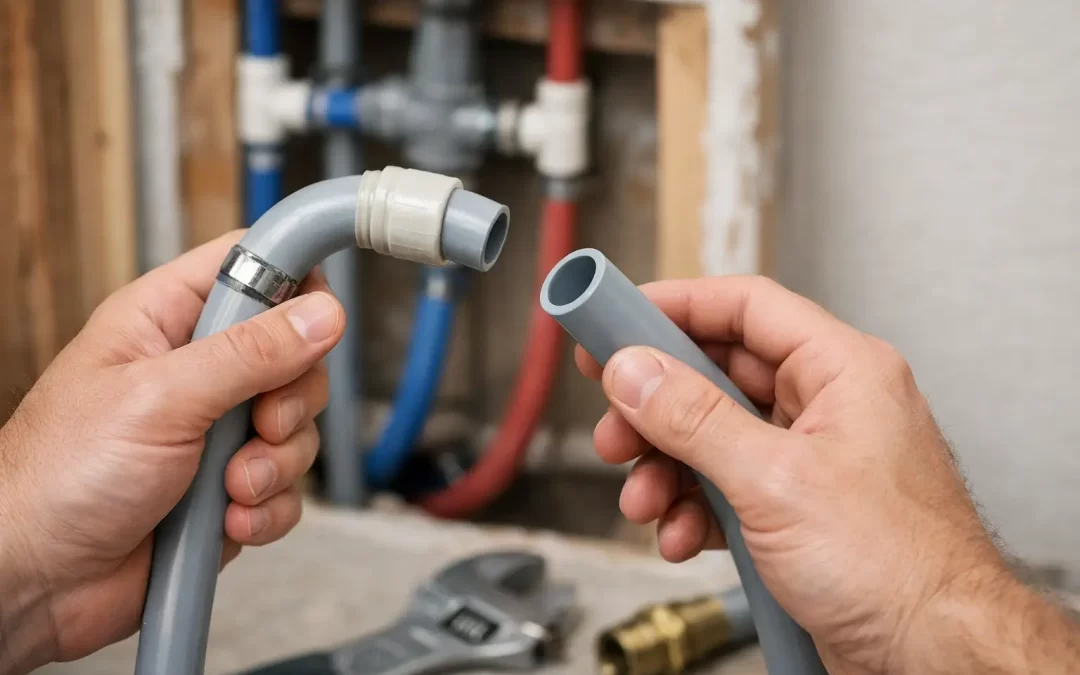
Start with what you can see. Polybutylene pipe is usually gray, blue, or black plastic. In many homes, the indoor supply lines are a dull gray color. The pipe itself is flexible rather than rigid, and it is commonly stamped with the letters PB followed by a series of numbers.
If you can safely access exposed plumbing, look near the water heater first. That is often the easiest place to spot the main water distribution lines. Then check under bathroom and kitchen sinks, behind access panels, in unfinished basements, and in crawl spaces. In some homes, a short exposed section tells the whole story.
The markings matter. If you see PB2110 printed on the pipe, that is a strong indicator you are looking at polybutylene. Sometimes the pipe is hidden behind walls, so you may only find a small visible segment at a connection point.
What polybutylene pipes look like
Polybutylene is often confused with other plastic plumbing materials, especially by homeowners who are just doing a quick visual check. Color helps, but color alone is not enough. Gray pipe is the most common clue inside homes, while blue or black pipe may appear in some applications.
The fittings can offer another hint. Older polybutylene systems often used plastic or metal fittings, and some of those connection points are where problems start. If you see flexible gray pipe connected with crimped fittings, that should get your attention.
That said, not every gray pipe is polybutylene, and not every plastic pipe is a problem. PEX is also flexible and commonly used today, but it is a different material and has a better long-term track record when installed correctly. If you are not sure what you are seeing, guessing can lead you in the wrong direction.
The easiest places to check first
Most homeowners do not need to open walls to get a reasonable answer. Start with the most accessible areas. Look around the water heater, especially where hot and cold water lines branch into the home. Check exposed pipe under sinks, around toilets, and in laundry areas.
If your home has a crawl space or unfinished basement, you may be able to see longer runs of pipe there. In slab homes, much more of the plumbing may be hidden, so identification can be harder without a professional evaluation.
For townhomes, condos, and multifamily buildings, the challenge is that part of the system may be accessible in utility closets while other sections are buried in walls. In those cases, one visible section can still confirm the material used throughout much of the building.
The home age clue matters
If your house was built or replumbed during the late 1970s through the mid-1990s, polybutylene becomes much more likely. That date range is one of the biggest clues because the material was widely used during those years before its failure issues became well known.
This does not mean every home from that era has polybutylene. Builders used different materials depending on price, local practices, and the type of project. But if your house fits that age range and you are seeing gray flexible pipe, the odds go up fast.
If the home was built much earlier, the original plumbing may have been copper or galvanized steel unless it was updated later. If it was built much later, you are more likely to see PEX or copper instead.
Signs you may have a polybutylene problem already
Some homeowners do not look for polybutylene until they notice symptoms. A small leak under a sink, recurring moisture stains, unexpected drops in water pressure, or damp spots near pipe routes can all point to trouble. Polybutylene does not always fail in dramatic fashion first. Sometimes the warning signs are subtle.
Another common issue is repeated repairs on different sections of the plumbing system. If one leak gets fixed and then another appears somewhere else months later, that can be a sign the material is aging out as a whole rather than suffering from one isolated defect.
Water damage around ceilings, warped flooring, or musty smells near plumbing walls can also point to hidden leaks. Those symptoms do not automatically mean you have polybutylene, but they do mean it is worth identifying the pipe material sooner rather than later.
Why polybutylene became such a concern
The problem with polybutylene is not just that it is old. It is that the material has a history of deterioration from the inside out. Over time, normal exposure to treated water can cause the pipe to become brittle or weaken, especially at fittings and connection points.
That makes polybutylene risky because it may look acceptable from the outside right up until it leaks. Some homes go years without an issue. Others start seeing repeated failures. That uncertainty is exactly why many owners choose replacement instead of waiting for the next break.
There is also a practical side to this. If you are planning to sell, buy, renovate, or keep the property long term, knowing what is in the walls helps you make better decisions. Plumbing material affects risk, maintenance budgeting, and peace of mind.
When a visual check is not enough
Sometimes the pipes are mostly hidden, the markings are faded, or previous repairs have created a mix of materials. In those situations, a quick homeowner inspection can only go so far. A licensed plumber can usually identify the piping material quickly based on visible sections, layout, fittings, and transition points.
This matters because many homes with polybutylene have had partial repairs over the years. You might see newer PEX under one sink and still have original polybutylene feeding other parts of the house. That kind of patchwork setup is common, and it can give homeowners a false sense that the problem has already been fully solved.
A professional assessment helps answer the real question: do you have a small isolated section, a partial system, or a whole-house polybutylene setup that should be replaced?
What to do if you confirm you have polybutylene
If you find polybutylene, do not panic. Not every system is failing today. But you should take it seriously and make a plan. The right next step depends on the age of the system, whether there have already been leaks, how much of the pipe is still in place, and your goals for the property.
For some homeowners, that means scheduling an evaluation and getting a clear picture of the condition of the system. For others, especially those dealing with active leaks or repeated repairs, it means talking through repiping options. In many cases, replacing polybutylene with modern PEX is the cleaner long-term fix than continuing to patch an aging system.
The trade-off is cost versus risk. Spot repairs may cost less today, but they do not remove the underlying problem if most of the original piping is still there. A full repipe is a bigger project, but it can eliminate recurring leak concerns, improve reliability, and often bring better water flow throughout the home.
A practical next step for homeowners
If your house falls in the common polybutylene age range, spend ten minutes checking the exposed plumbing around the water heater and under a few sinks. Look for gray, blue, or black flexible pipe and any PB markings. That simple check can answer a lot.
If you are unsure, or if you have already had leaks, it is smart to get an experienced plumber to verify what you have. Greenlee Plumbing helps homeowners across North Georgia identify aging pipe systems and figure out whether repair or replacement makes more sense. Getting a clear answer now is a lot easier than dealing with surprise water damage later.
The good news is that once you know what material is in your home, you can make decisions from a position of confidence instead of guesswork.

Recent Comments