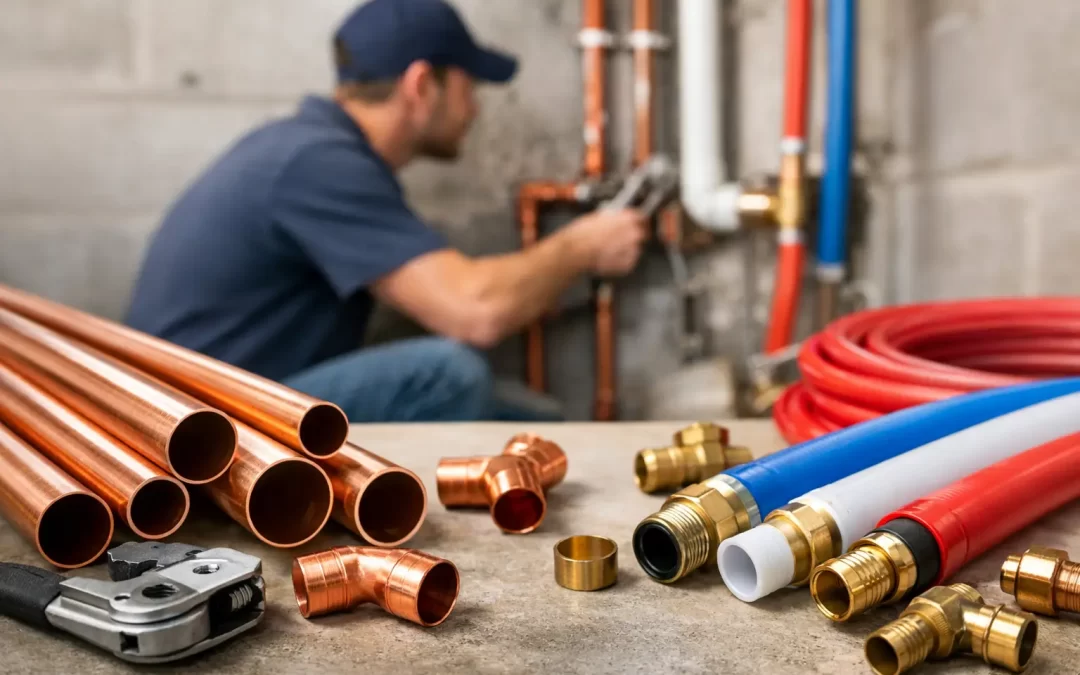
A pinhole leak behind a wall usually changes the conversation fast. What starts as a small repair can turn into a bigger question about copper pipe replacement options, especially if your home has aging lines, recurring leaks, low water pressure, or visible corrosion.
For many homeowners, the real issue is not just fixing one bad section. It is deciding whether to patch, partially replace, or repipe the house with a different material. That decision affects cost, disruption, water flow, and how likely you are to deal with the same problem again in a few years.
When copper pipes stop being the best long-term answer
Copper has been a trusted plumbing material for decades. In many homes, it still performs well. But copper is not immune to wear. Older systems can develop pinhole leaks, corrosion, mineral buildup, noisy operation, and weak spots at fittings or bends. If your home has had multiple repairs in a short period, it may be more cost-effective to stop chasing leaks and look at a broader replacement plan.
Water quality also matters. Some plumbing systems age faster because of acidic water, high mineral content, or long-term internal scaling. In those cases, replacing copper with the same material may not always be the smartest move. A plumber should look at the condition of the full system, not just the latest leak.
Copper pipe replacement options for your home
Most homeowners choosing between copper pipe replacement options are really comparing three paths. The first is spot repair, the second is partial replacement, and the third is a full repipe using either new copper or PEX.
Spot repair makes sense when the leak is isolated and the rest of the system is still in strong shape. If the pipes are relatively newer and there is no sign of widespread failure, replacing one damaged section can buy you time without a major investment.
Partial replacement is usually considered when one area of the home has clear problems but the rest of the plumbing is performing normally. This can work in some layouts, but it depends on access, pipe condition, and whether tying old and new materials together creates future weak points. Sometimes partial work is practical. Other times, it just delays a full repipe.
A whole-house repipe is often the right move when leaks are recurring, water pressure is inconsistent, or the existing system is reaching the end of its useful life. This option costs more upfront, but it can stop the cycle of repeated repairs and reduce the risk of hidden water damage.
Replacing copper with new copper
New copper is still a solid option in certain homes. It is durable, familiar, and performs well when installed correctly. Some property owners prefer it because it has a long track record and can handle heat well.
That said, copper usually costs more than PEX for both material and labor. Installation can also be more invasive because copper is rigid and requires more cutting, fitting, and soldering. If budget, speed, and wall access are major concerns, copper may not be the most practical choice.
Replacing copper with PEX
PEX has become one of the most common answers to aging plumbing systems. It is flexible, efficient to install, and well suited for whole-house repiping. In many homes, PEX can be routed with less disruption than rigid pipe, which helps reduce labor time and limits how much drywall has to be opened.
PEX also handles normal expansion and contraction well, and it is less prone to the kind of pinhole problems that often send homeowners looking for copper pipe replacement options in the first place. For many residential repipes, PEX A or PEX B is the most practical balance of performance and value.
PEX A vs. PEX B
If you are considering PEX, the next question is usually which type. PEX A is known for flexibility and strong expansion-based connections. It bends more easily and can be useful in complex routing situations. PEX B is more rigid, but it is still widely used, dependable, and often more budget-friendly.
Neither one is automatically right for every property. The better choice depends on the plumbing layout, the fixture count, the access available, and the installer’s plan for the repipe. What matters most is not just the label on the pipe. It is whether the system is designed properly and installed by a crew that does repipes regularly.
How to choose between copper and PEX
This is where a lot of homeowners want a simple answer, but the truth is it depends on the house. If you are planning a full replacement, PEX is often the leading option because it is faster to install, more affordable, and well suited for modern residential plumbing. That is one reason repipe specialists use it so often.
Copper can still make sense if you strongly prefer metal piping, if the affected area is limited, or if the home’s setup favors a more traditional replacement. But if your top priorities are speed, value, and minimizing disruption, PEX usually has the edge.
Property managers and multifamily owners often lean toward PEX for the same reasons. Faster turnaround and lower labor intensity matter when units need to stay functional and downtime needs to be limited.
Signs you may need more than a simple repair
If you are trying to decide whether to repair or replace, look at the pattern, not just the latest issue. One leak does not always mean the whole system is failing. But several leaks in different areas usually point to a bigger problem.
Common warning signs include recurring pinhole leaks, discolored water, low pressure at multiple fixtures, water stains on ceilings or walls, and visible corrosion on exposed lines. Older homes with original copper or mixed-material plumbing may also be good candidates for a closer evaluation.
A repipe is not always the first recommendation. A good plumber should tell you when repair still makes sense. But they should also be honest when repeated service calls are costing you more than a planned replacement would.
Cost factors that affect copper pipe replacement options
Homeowners naturally want to know what the price difference will be. The total cost depends on the size of the home, the number of bathrooms, how accessible the plumbing is, and whether you are replacing one section or the full system.
Material choice matters too. Copper generally comes in higher than PEX, both in raw material cost and labor. If walls are tight, access is limited, or the system is spread across multiple floors, labor can become a major part of the total.
That is why the cheapest option on day one is not always the lowest-cost option over time. If a patch repair leads to more leaks six months later, it may not have saved you much. On the other hand, a full repipe only makes sense if the existing system truly supports that level of work.
Why installation quality matters as much as material
Homeowners sometimes get stuck comparing pipe types and miss the bigger issue. A well-planned system installed correctly usually outperforms a poorly planned one, even if the material itself is high quality.
Proper sizing, clean routing, secure connections, fixture balancing, and a clear plan for minimizing downtime all matter. This is especially true in larger homes and multifamily properties, where water demand is higher and layout complexity can expose weak workmanship fast.
That is also why specialized repipe experience matters. A company that handles whole-house repiping regularly is more likely to spot layout issues, pressure concerns, and replacement strategies that a general repair-focused plumber may miss.
What homeowners in older North Georgia homes should consider
In parts of North Georgia and Metro Atlanta, many homes are reaching the age where original plumbing materials start showing their limits. If your house has older copper, galvanized sections, or a mix of previous repairs, this is a good time to think beyond the immediate leak.
At Greenlee Plumbing, repipe work often starts with a homeowner asking for a repair and ends with a larger conversation about long-term reliability. That is usually the right conversation to have. If your plumbing system is giving repeated warnings, the best move is not always to keep patching it.
The right replacement plan should match your home, your budget, and how long you plan to stay in the property. Some homes need a targeted fix. Others are better served by replacing outdated lines with a modern PEX system that improves flow and reduces future leak risk.
If you are weighing copper pipe replacement options, focus on the full picture: how often the system is failing, how disruptive repeated repairs have become, and whether a smarter upgrade now will protect your home from bigger problems later. A clear, honest assessment today can save you a lot of stress the next time a small leak shows up where you cannot see it.

Recent Comments