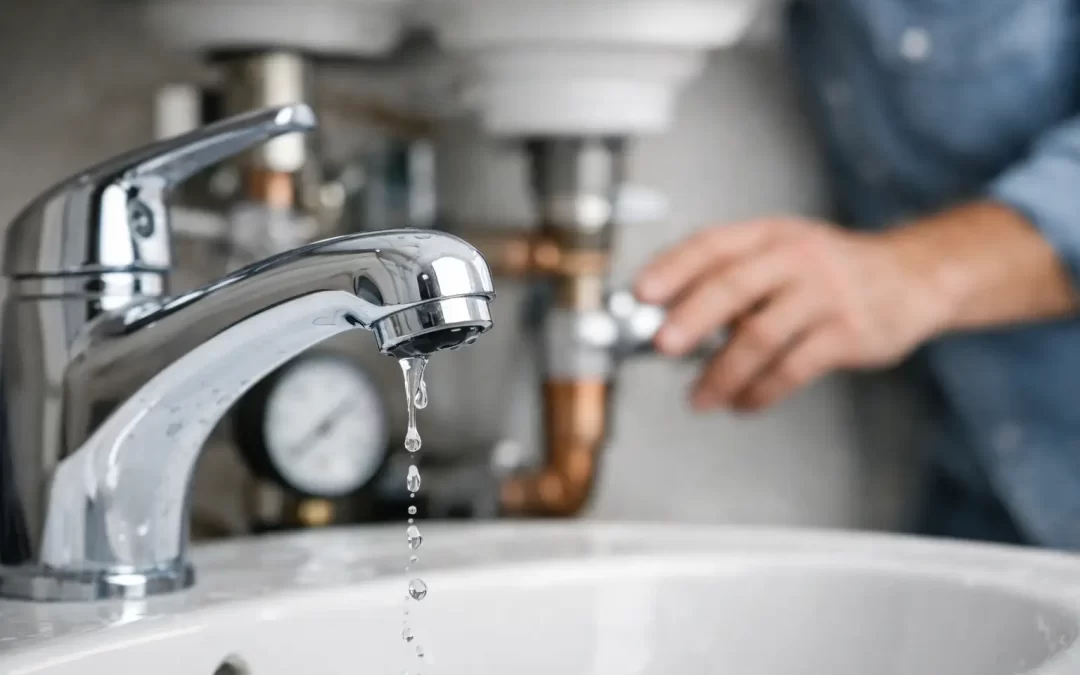
You turn on the shower and it starts strong, then fades. Or the kitchen faucet that used to fill a pot quickly now feels slow every morning. If you’re asking why is water pressure dropping, the answer can be simple, like a clogged fixture, or it can point to a bigger issue inside your plumbing system.
The key is figuring out whether the pressure drop is happening at one fixture, in part of the house, or everywhere. That difference tells you a lot. In many North Georgia homes, especially older ones, falling water pressure is one of the first signs that the plumbing system is starting to wear out.
Why is water pressure dropping in just one fixture?
When the problem shows up at only one sink, shower, or tub, the cause is usually local. Mineral buildup inside an aerator or showerhead is common, especially if hard water has been leaving deposits over time. A faucet cartridge can also wear down or get blocked, which restricts flow even when the handle is fully open.
In that case, the pressure issue is often more about that fixture than the house plumbing. Cleaning or replacing the aerator, showerhead, or cartridge may solve it. If the pressure comes back everywhere else in the home but one bathroom still feels weak, that’s actually good news. It usually means you are not dealing with a whole-house pipe failure.
Still, there are exceptions. A hidden leak in the branch line feeding that fixture can also reduce pressure, especially if the drop appeared suddenly or is paired with damp drywall, flooring changes, or musty smells.
When low pressure affects the whole house
If every faucet and shower seems weaker than it used to, the cause is usually farther upstream. Sometimes the issue is as straightforward as a partially closed main shutoff valve. If someone recently had plumbing work done, or if the valve has been adjusted and not fully reopened, the whole house can feel underpowered.
Pressure regulators are another common source of trouble. Not every home has one, but many do. When a pressure reducing valve starts to fail, homeowners often notice inconsistent pressure first. It may be low all day, or it may swing between normal and weak without much pattern.
Municipal supply changes can play a role too. If the water provider is doing work nearby, or if neighborhood demand is unusually high at certain times, your home may temporarily see lower pressure. That kind of issue is usually short-term. If the pressure has been gradually getting worse over months, the problem is more likely inside your home.
Aging pipes are a major reason pressure drops
Older piping materials can restrict water flow from the inside out. Galvanized steel is one of the biggest examples. Over time, corrosion and mineral buildup shrink the inside diameter of the pipe. Water still gets through, but not with the volume it once did.
This is why some homeowners say, “The pressure used to be fine, but now every year it gets a little worse.” That slow decline often points to pipe deterioration rather than a one-time blockage. In older homes, especially those with original plumbing, low water pressure can be the symptom that finally pushes the issue into view.
Copper can develop its own problems as it ages, particularly if there are pinhole leaks, internal wear, or repeated repairs throughout the system. Polybutylene piping presents a different risk. It may not always cause a classic pressure-loss pattern at first, but as the system weakens and fittings begin to fail, performance problems and leak concerns tend to follow.
For homeowners dealing with recurring low pressure, repeated leaks, or visible pipe age, patching one section at a time may not be the most cost-effective answer. Sometimes the pressure problem is really a sign that the whole system is due for replacement.
Leaks can steal pressure before you see water damage
A plumbing leak does not have to be dramatic to affect pressure. Even a small leak behind a wall, under a slab, or in a crawl space can reduce the amount of water reaching fixtures. If the leak is on the main water line or a major branch line, the effect can be noticeable throughout the house.
The tricky part is that pressure loss may show up before obvious water damage does. You might hear water running when everything is off, notice a higher water bill, or find that pressure drops more when multiple fixtures are in use. Those are warning signs worth taking seriously.
Leaks are one of those problems where timing matters. Waiting too long can turn a pressure complaint into flooring damage, mold, or structural repairs. If low pressure is paired with any sign of hidden water, it makes sense to have it checked quickly.
Water heater and hot-side pressure problems
If the pressure drop only affects hot water, the issue may not be the supply piping at all. Sediment buildup inside the water heater can reduce performance and affect flow, especially in older units. Valves on the hot side can also become restricted.
This is where homeowners sometimes get mixed signals. They think the whole home’s pressure is dropping, but once they compare hot and cold side by side, they realize the cold pressure is normal. That points the diagnosis in a different direction.
A failing water heater does not always show up as no hot water. Sometimes it starts with slower hot flow, longer wait times, or weak pressure at showers and faucets that use hot water heavily.
Why is water pressure dropping at certain times of day?
Timing matters. If pressure is worst in the early morning or evening, when people are showering, doing laundry, and running dishwashers, neighborhood demand can be part of the story. This is more noticeable in some areas than others, and it tends to affect homes with already marginal pressure more than homes with strong supply.
But time-of-day pressure loss can also expose an internal weakness. A house with partially clogged pipes may seem fine when one sink is running, then feel weak as soon as someone flushes a toilet or starts the washing machine. In other words, demand reveals the restriction.
That distinction matters because one is an outside supply issue, while the other means your plumbing system is struggling to keep up.
What you can check before calling a plumber
A few simple checks can help narrow things down. See whether the pressure drop affects hot and cold water equally. Try multiple fixtures in different parts of the house. If only one fixture is weak, inspect the aerator or showerhead. If the whole house is affected, make sure the main shutoff valve is fully open.
You can also think about the pattern. Did the pressure drop suddenly, or has it been fading over time? Sudden changes often point to a valve issue, leak, or regulator problem. Gradual decline more often suggests buildup, aging pipes, or long-term wear in the system.
What you do not want to do is assume every low-pressure issue is minor. Homeowners sometimes replace showerheads, swap faucet parts, and live with weak flow for months, only to find out the real problem is a deteriorated pipe system.
When dropping pressure means it’s time to think bigger
There is a point where low water pressure stops being a nuisance and starts being a warning. If your home has older galvanized, copper, or polybutylene piping and the pressure keeps falling, the conversation may need to shift from repair to replacement.
That does not mean every house with low pressure needs a full repipe. Sometimes a valve replacement, leak repair, or fixture repair is enough. But if the home has a history of recurring plumbing issues, uneven pressure, discolored water, or multiple past leak repairs, continuing to patch isolated problems can add up fast.
This is where working with an experienced residential plumber matters. A proper diagnosis should look at the system as a whole, not just the nearest weak faucet. For many homeowners in Metro Atlanta and North Georgia, especially in aging neighborhoods, pressure loss is one of the clearest signs that the plumbing is no longer keeping up with the house.
Greenlee Plumbing sees this often in homes where old piping has reached the point that repairs are no longer giving lasting results. The right fix depends on the condition of the system, the age of the pipes, and whether the pressure issue is isolated or house-wide.
If your water pressure has been slipping, don’t treat it like something you just have to live with. A small pressure change can be the first clue that your plumbing system needs attention now, before it turns into a leak, a water damage claim, or a much more disruptive repair.

Recent Comments