When a drain keeps backing up or a sewer line problem will not stay fixed, one of the first questions homeowners ask is about sewer camera inspection cost. That makes sense. You want to know what you are paying for, whether the price is reasonable, and if the service will actually help you avoid a bigger repair bill.
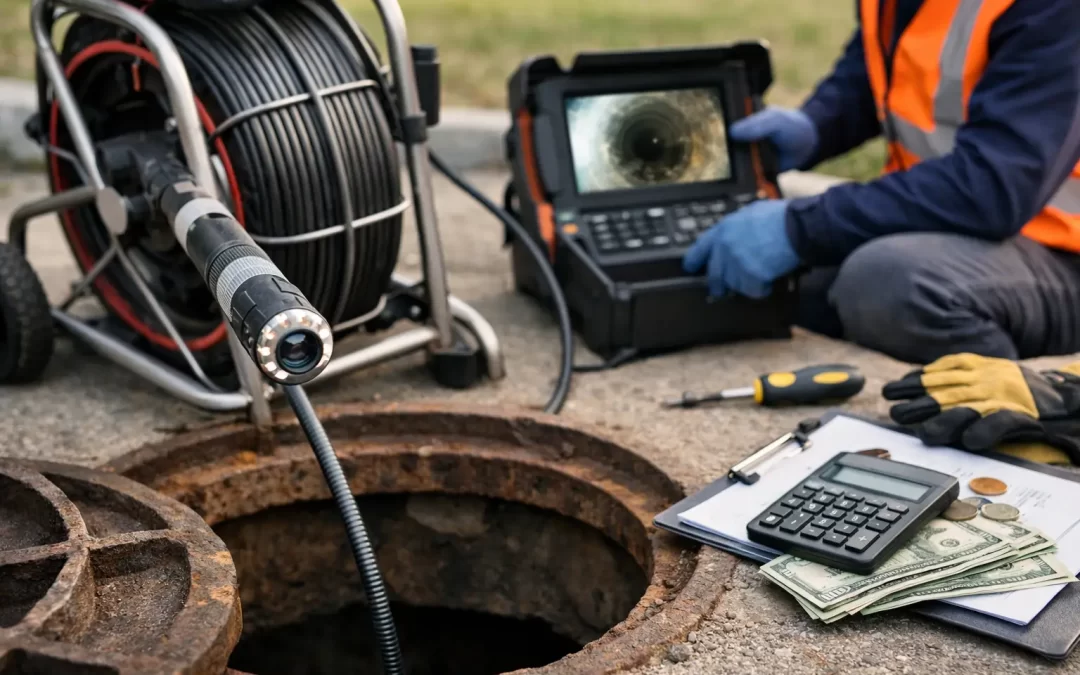
A sewer camera inspection is exactly what it sounds like. A plumber feeds a specialized waterproof camera through the drain or sewer line to see what is happening inside the pipe. Instead of guessing whether the problem is roots, grease, a break, a sag, or an old line that is starting to fail, the camera shows the condition of the pipe in real time.
For many homeowners, that can be money well spent. But the actual price depends on the kind of problem you are dealing with, how easy the line is to access, and whether the camera inspection is being done as a stand-alone service or as part of a larger repair.
What sewer camera inspection cost usually includes
In most cases, sewer camera inspection cost covers the plumber bringing the camera equipment to the property, locating a good access point, running the camera through the line, and reviewing what is found. It may also include identifying the approximate location of a blockage, break, root intrusion, or damaged section of pipe.
Some companies bundle the camera work into a diagnostic charge. Others price it separately. That difference matters, because a low advertised number may only cover a very basic look inside the line, while a more complete service may include a more detailed review of the pipe condition and recommendations for the next step.
If the line is heavily blocked, the plumber may need to clear it before the camera can give a useful view. That can change the total cost. A camera cannot see through a solid clog, so if the line is packed with grease, sludge, or roots, drain cleaning may need to happen first.
Typical sewer camera inspection cost range
A common sewer camera inspection cost for a residential property often falls somewhere between $250 and $600. In some situations, it may be lower, and in more difficult or time-consuming cases, it can be higher.
That range is broad for a reason. A newer home with an accessible cleanout and a straightforward line is usually simpler and faster than an older property with repeated backups, limited access, or a line that runs a long distance before reaching the street.
If a company applies the camera charge toward repair work when you move forward, the out-of-pocket impact may feel lower. If the inspection is a separate visit with no follow-up work, you will usually pay the full diagnostic price.
Why the price can vary so much
The biggest factor is access. If the plumber can get into the line quickly through a proper access point, the job is usually more efficient. If access is difficult and the team has to spend extra time finding the best entry point into the system, the cost can rise.
The severity of the problem also matters. A line with an occasional slow drain may be easier to inspect than one with standing water, repeated sewage backups, or years of buildup. In those cases, the camera work may take more time, and there may be added steps before the technician can even get a clear picture.
Pipe length is another factor. A short run is one thing. A long sewer line serving a larger home, a basement setup, or a multifamily property can take longer to inspect thoroughly.
Equipment quality also plays a role. Not every camera setup is the same. Higher-end systems give clearer images, better location tracking, and more reliable diagnosis. That may not always mean a dramatically higher price, but it can affect how useful the inspection is.
When paying for a camera inspection makes sense
If you have a single slow drain at one sink, a basic drain cleaning may be enough. But when the problem keeps coming back, a camera inspection can save money by helping you stop treating the symptom and start dealing with the cause.
This service is especially useful when multiple drains are slow, toilets gurgle, sewage odors keep showing up, or backups happen after heavy water use. Those signs can point to a main sewer line issue rather than a simple fixture clog.
It also makes sense before a major sewer repair. If someone is recommending a line replacement, excavation, or a large repair bill without visual confirmation, it is fair to ask what the camera shows. Good diagnosis protects you from paying for the wrong fix.
For older homes, camera work can also help evaluate the condition of aging drain lines. That is helpful when a house has a history of plumbing problems or when cast iron, older clay, or other worn sewer materials may be nearing the end of their service life.
Sewer camera inspection cost vs. repair cost
A lot of homeowners hesitate at the diagnostic charge, then end up spending far more on repeat service calls because the root problem was never identified. That is where the value of the camera becomes clear.
If a $300 to $500 inspection confirms that your issue is only a localized clog, that can keep you from worrying about a full sewer replacement. On the other hand, if it shows root intrusion, a collapsed section, or a belly in the line, you can make a repair decision based on evidence instead of guesswork.
The point is not that every sewer problem needs a camera. It is that recurring or unclear problems often do. Paying for a clear answer once is usually better than paying for temporary fixes over and over.
Questions to ask about sewer camera inspection cost
Before scheduling service, ask what is included in the quoted price. That simple question can tell you a lot. You want to know whether the charge covers the full camera run, whether drain cleaning is separate, and whether the diagnostic fee can be applied to repair work if needed.
It also helps to ask whether the technician will explain the findings in plain language. A good plumbing company should be able to show you what the camera sees and walk you through the next step without pressure.
If the problem turns out to be outside the sewer line itself, that matters too. Sometimes a recurring issue is tied to old interior drain piping, poor drainage layout, or broader pipe deterioration inside the home. In those cases, the camera still provides value because it narrows down where the real issue starts.
What homeowners should watch out for
The cheapest option is not always the best value. If the camera service is rushed or limited, you may end up with an incomplete diagnosis. A low price sounds good until you are still dealing with backups a month later.
At the same time, not every problem justifies a high-end diagnostic visit right away. If the issue is clearly isolated and has not happened before, a straightforward service call may be reasonable. The right choice depends on the symptoms, the age of the plumbing, and whether this is a one-time annoyance or part of a bigger pattern.
That is why experience matters. A seasoned plumber knows when a camera inspection is the smart next step and when a simpler repair is enough. Greenlee Plumbing takes that practical approach because homeowners do not need extra services they do not need. They need answers, clear pricing, and the right fix.
Is a sewer camera inspection worth the cost?
Most of the time, yes, when there is a real question about what is happening in the line. It gives you proof. It helps avoid misdiagnosis. And it can keep a small issue from turning into a much more expensive repair.
If your drains have started acting up repeatedly, if sewage backup is becoming a concern, or if another company is recommending major sewer work without a clear explanation, a camera inspection is often the most cost-effective place to start. The upfront charge can feel like one more plumbing expense, but good diagnosis is what keeps you from spending more than necessary.
The best next step is simple: do not keep guessing at a sewer problem that keeps coming back. A clear look inside the line can bring a lot of peace of mind, and sometimes that is what saves the most money.

Recent Comments